
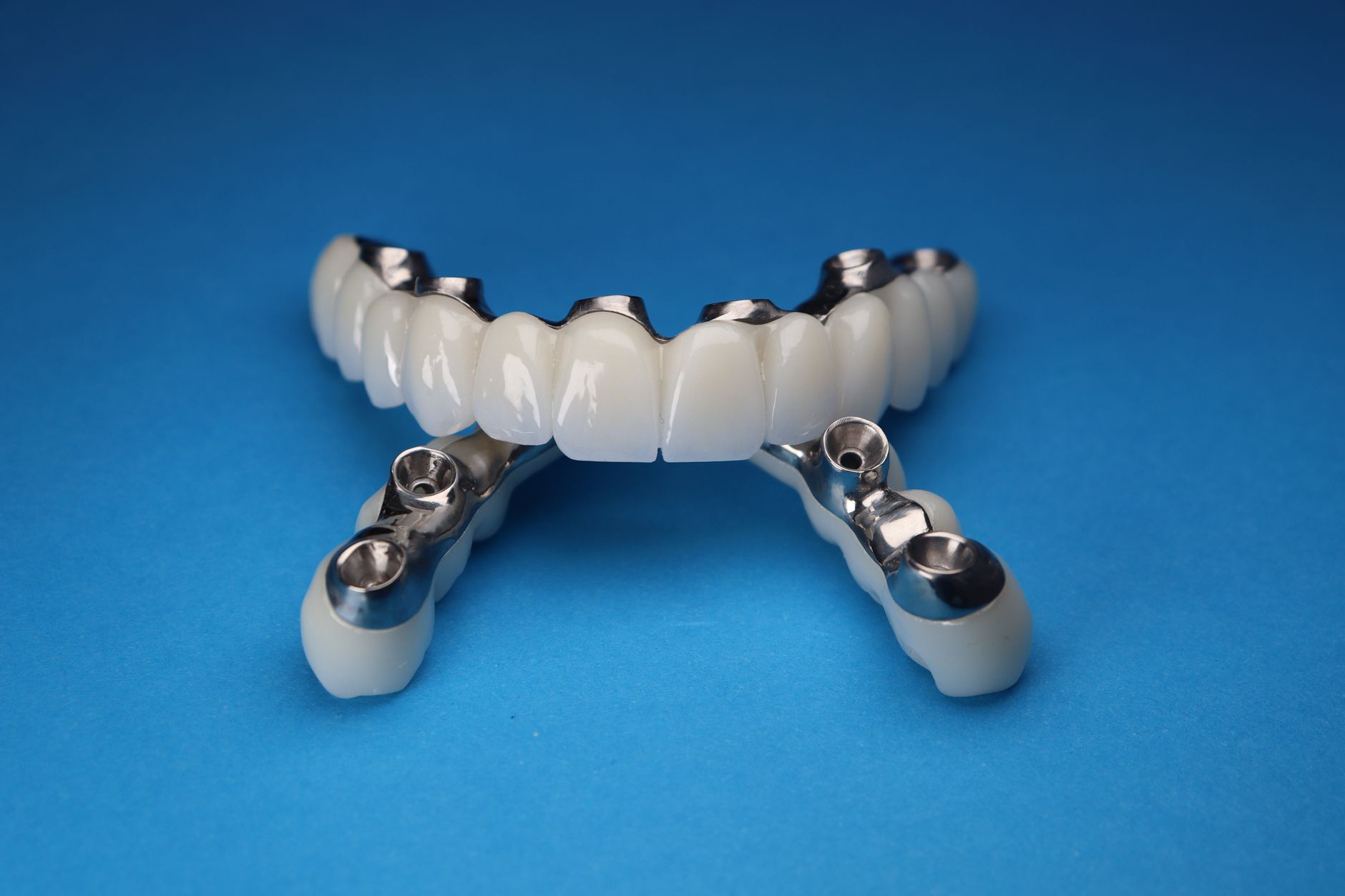
The knee implant price cap has been extended, allowing patients to access affordable medical solutions until January 15, 2027. This decision is crucial for maintaining healthcare accessibility.
Overview of the Knee Implant Price Cap
The National Pharmaceutical Pricing Authority (NPPA) has officially extended the knee implant price cap until January 15, 2027. This decision aims to ensure affordability and accessibility for patients requiring knee replacement surgeries across the nation.
Initially implemented to tackle the rising costs associated with knee implants, the price cap has proven to be beneficial for both patients and healthcare providers. By regulating the prices, the NPPA has made it easier for individuals to access life-changing surgeries without facing overwhelming financial burdens.
Key points regarding the knee implant price cap include:
- Affordability: The cap has significantly reduced the prices of knee implants, making them more accessible to a larger segment of the population.
- Quality Assurance: It ensures that patients receive quality implants at regulated prices.
- Health Equity: The initiative promotes health equity by minimizing disparities in access to essential medical treatments.
This extension reflects the government’s commitment to enhancing healthcare access for all.
Impact on Patients and Healthcare Providers
The continuation of the knee implant price cap until January 15, 2027, is expected to have significant implications for both patients and healthcare providers. This policy aims to enhance access to essential knee surgeries, allowing more individuals to receive timely and affordable treatment.
For patients, the knee implant price cap means reduced out-of-pocket expenses, which can alleviate financial burdens associated with surgery. This financial relief may lead to increased rates of elective surgeries, enabling patients to regain mobility and improve their quality of life sooner.
Healthcare providers will also benefit from the extended price cap. With predictable pricing, hospitals and clinics can better manage their budgets and allocate resources efficiently. This stability in costs encourages providers to invest in better surgical techniques and patient care.
Furthermore, the price cap fosters competition among manufacturers, potentially leading to increased innovation and improved implant technologies. Overall, the knee implant price cap is poised to create a more equitable healthcare landscape for all stakeholders involved.
NPPA’s Role in Medical Pricing
The National Pharmaceutical Pricing Authority (NPPA) plays a crucial role in regulating the prices of knee implants in India. By extending the knee implant price cap until January 15, 2027, the NPPA aims to ensure affordability and accessibility for patients in need of these essential medical devices.
The price cap not only benefits patients but also influences healthcare providers. Hospitals and clinics can offer knee implants at regulated prices, which helps reduce the financial burden on patients undergoing joint replacement surgeries. This initiative has led to a significant increase in the number of surgeries performed, as more individuals can now afford the treatment.
Furthermore, the NPPA’s intervention has encouraged manufacturers to innovate and improve the quality of knee implants while adhering to the price cap. As a result, patients can expect better options without the anxiety of exorbitant costs. Overall, the NPPA’s dedication to maintaining the knee implant price cap underscores its commitment to improving healthcare outcomes across the nation.
Future Implications for Knee Implants
The extension of the knee implant price cap until January 15, 2027, brings significant future implications for both patients and the healthcare system. By maintaining capped prices, the initiative aims to ensure that essential medical procedures remain accessible to a broader segment of the population. This is particularly important for elderly patients and those with limited financial resources.
As the demand for knee implants continues to grow, the price cap is expected to foster increased competition among manufacturers, potentially driving innovation and improving the quality of available products. Healthcare providers will also benefit from clearer cost structures, allowing for more straightforward budgeting and planning.
Moreover, the extension may pave the way for similar price regulation initiatives across other medical devices and procedures, potentially reshaping pricing strategies industry-wide. Stakeholders must remain vigilant to ensure the price cap achieves its intended goals without compromising the quality of care.
Comparative Analysis with Other Medical Devices
The recent extension of the knee implant price cap by the National Pharmaceutical Pricing Authority (NPPA) has prompted a comparative analysis with pricing structures for other essential medical devices.
Many medical devices, such as stents and orthopedic implants, have also faced intense scrutiny regarding their pricing. The following points illustrate the differences and similarities in pricing strategies:
- Market Regulation: While knee implants have a specific price cap, other devices like stents are regulated through different frameworks, leading to varied consumer experiences.
- Impact on Accessibility: Price caps on knee implants have improved accessibility for patients, a trend not uniformly seen across all medical devices.
- Innovation vs. Cost: The price cap may influence innovation in knee implants more positively compared to devices without similar price constraints, potentially affecting future developments.
Overall, the extension of the knee implant price cap highlights the need for a cohesive approach to medical device pricing, ensuring patient access while fostering innovation across the healthcare landscape.
Expert Opinions on Price Regulation
Experts in the field of healthcare economics have expressed a range of opinions regarding the extension of the knee implant price cap. Many believe that this regulation will enhance patient access to necessary surgeries, particularly for those in lower-income brackets. Dr. Anjali Kumar, an orthopedic surgeon, noted, “The knee implant price cap is essential for ensuring that patients do not face financial barriers to receiving quality care.”
On the other hand, some industry analysts worry about the potential impact on innovation. Mark Thompson, a medical device industry consultant, stated, “While price regulation can help patients, it may also disincentivize companies from investing in new technologies.”
Moreover, Dr. Sarah Lee, a healthcare policy expert, emphasized the importance of monitoring the effects of the price cap. “It is crucial to evaluate how this price cap influences not just accessibility but also the quality of implants available,” she remarked. As the deadline approaches in 2027, the ongoing dialogue among stakeholders will be vital in shaping the future landscape of knee implant pricing.
Patient Stories and Experiences
Patients have shared their experiences about the positive impact of the knee implant price cap on their lives. Many individuals have reported that the affordability of knee implants has significantly reduced their financial burden, allowing them to prioritize their health without the stress of high costs.
- John, a retired teacher: “Before the price cap, I was worried I couldn’t afford the surgery. Now, I feel hopeful and ready to get back to hiking with my grandchildren.”
- Maria, a small business owner: “The knee implant price cap has made a huge difference for me. I was able to get the surgery I needed without going into debt.”
- Tom, a former athlete: “Having access to affordable knee implants has allowed me to regain my mobility and enjoy sports again. This is truly a game-changer for many like me.”
These stories highlight the widespread benefits of the knee implant price cap, which will continue to support patients until January 15, 2027.
Conclusion: The Importance of Affordable Care
As the knee implant price cap is extended until January 15, 2027, it is crucial to recognize the importance of affordable care for patients undergoing joint replacement surgeries. This initiative not only alleviates financial burdens but also ensures that essential medical procedures remain accessible to all, regardless of socioeconomic status.
The benefits of maintaining a price cap on knee implants are clear:
- Increased Accessibility: Patients can obtain necessary procedures without excessive financial strain.
- Enhanced Health Outcomes: With more individuals able to afford surgery, overall health improvements are anticipated.
- Encouragement of Innovation: Manufacturers are motivated to develop more effective and affordable solutions.
Moreover, the knee implant price cap represents a significant step toward a more equitable healthcare system. As we move towards 2027, continued advocacy for affordable medical care will be essential in fostering a healthier society.
Photo by Zeynep Kahraman on Pexels
Sources
Related stories
Bayer stroke drug: Is it the best proven treatment available? · China Drug Registration Approval: Proven Painkiller Injection Success · Anti-cancer medicines price drop: Quick proven relief for patients