

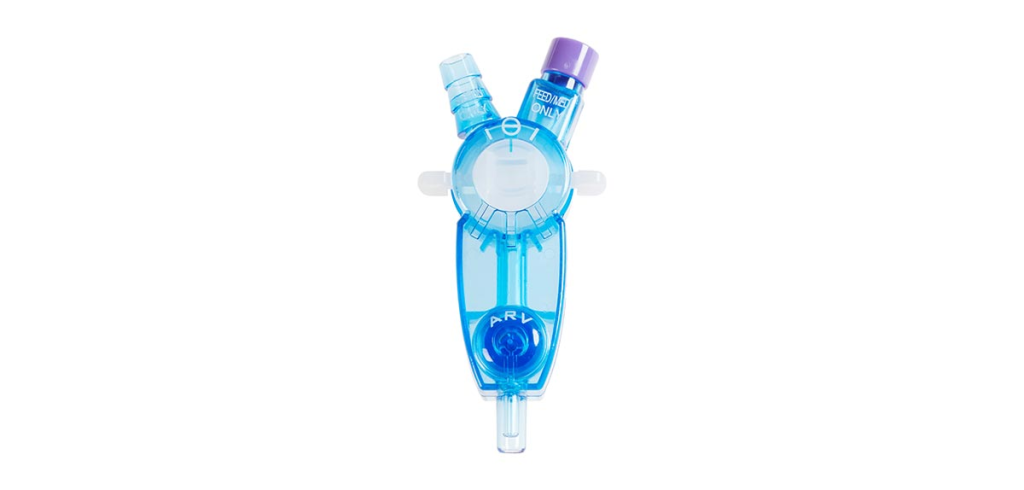
In modern healthcare, maintaining patient nutrition, relieving gastric pressure, and managing digestive complications often require timely intervention. One of the most reliable solutions for this purpose is the use of a nasogastric tube placement kit. This pre-assembled kit provides healthcare professionals with the tools necessary to insert and secure a nasogastric tube (NG tube) safely and accurately.
Whether used in emergency rooms, intensive care units, or surgical wards, this kit plays a vital role in clinical practice.
Understanding a Nasogastric Tube Placement Kit
A nasogastric tube is a flexible tube inserted through the nostril and guided down the oesophagus into the stomach. The insertion kit ensures that the procedure is hygienic, controlled, and patient-friendly. It is commonly used for feeding, medication administration, gastric suction, decompression, and diagnostic purposes. Having a standardised kit reduces preparation time and supports consistent practice, especially during urgent care situations.
Patients who benefit from NG tube placement often include those recovering from surgery, individuals with swallowing disorders, trauma cases, premature infants, and patients requiring ventilator support. The ability to safely nourish and manage gastric function through this tool can significantly improve recovery outcomes.
Main Contents of the Kit
Nasogastric insertion kits are designed to streamline the procedure by including all essential components. Typical contents of Nasogastric insertion kits include:
1. Flexible nasogastric tube:
Designed with depth markings and a soft tip for comfortable placement.
2. Lubrication gel:
Helps reduce friction during insertion and minimises trauma to nasal passages.
3. Measuring tape or guide:
Ensures accurate tube length based on patient anatomy.
4. pH testing or verification tools:
Supporting correct positioning by testing gastric aspirate when available.
5. Syringe:
Used for air insufflation or aspiration to confirm tube placement.
6. Adhesive tape or securing device:
Prevents accidental dislodgement.
7. Gloves and wipes:
Maintain aseptic conditions throughout the procedure.
Some kits may also include safety goggles, absorbent pads, or instructional sheets for quick procedural reference.
Why These Kits Matter in Clinical Settings
The nasogastric insertion kit plays an indispensable role for several reasons:
1. Speed and Efficiency
Pre-packed tools allow clinical staff to perform the insertion quickly without gathering individual supplies, which is especially crucial in emergencies or time-sensitive situations.
2. Infection Control
Sterile packaging helps reduce contamination risk—important because NG tubes bypass natural defense barriers and lead directly to the stomach.
3. Accuracy and Safety
Verification tools and measuring guides reduce placement errors, lowering complications such as aspiration or tube misplacement.
4. Enhanced Patient Support
The kit promotes smooth insertion, improved comfort, and secure fixation, contributing to better treatment experiences.
Clinical Applications and Value
The use of a nasogastric insertion kit spans across various medical fields. In critical care units, it supports nutrition delivery for unconscious or ventilated patients. In emergency medicine, it helps decompress obstructed bowels or remove ingested toxins. Surgical wards rely on NG tubes to prevent nausea, vomiting, and postoperative complications. Paediatric and neonatal units use size-appropriate kits to support premature infants and children with feeding challenges.
Conclusion
Whether preventing malnutrition, relieving pressure, or enabling medication delivery, the nasogastric insertion kit stands as a key component of modern medical practice—reliable, efficient, and essential for compassionate patient treatment.